


Interior materials have quietly shifted over the last few years.People aren't picking things purely on looks anymore, durability and sustainability have crept up the priority list,especially for anyone building or renovating something meant to actually last.Solid wood still has plenty of fans,but it comes with baggage,pests, moisture,upkeep that never really stops.That's a big part of why WPC has worked its way into so many interiors lately.
WPC,short for Wood Plastic Composite, is more or less what it sounds like:wood fibres mixed with plastic polymers,engineered to outperform either material on its own. It copes where solid wood tends to give up,skips most of the maintenance routine real timber demands,and still manages to look the part.
Demac Multiboard has earned a name for itself here,manufacturing premium WPC boards used across doors, wall panelling,cabinetry,and a fair bit more.Whether you're comparing WPC against more traditional options or just trying to figure out what the fuss is about,this runs through what WPC actually is, why it's caught on the way it has,and the specific benefits worth knowing before deciding either way.
Understanding Wood Plastic Composite
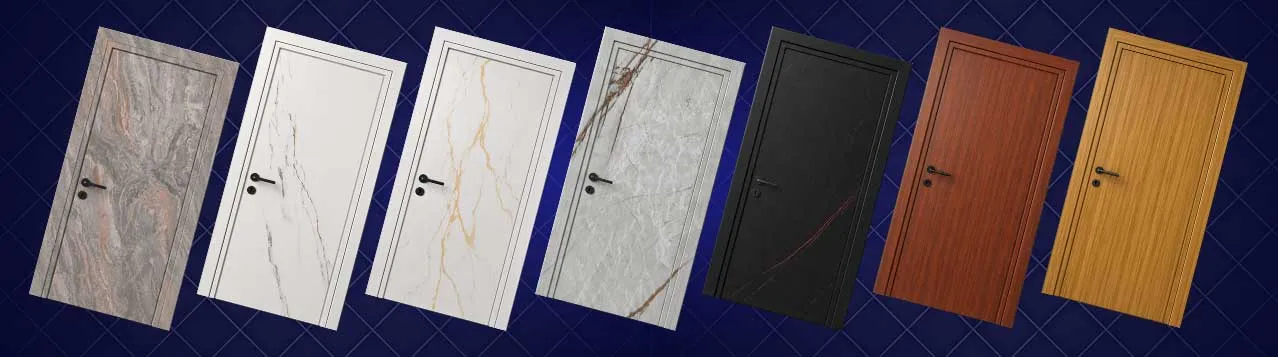
WPC,at its core,is a composite, wood fibres or wood flour bonded with thermoplastic polymers like PVC, PP, or HDPE under heat and pressure, pressed into boards or panels.Ratios shift a bit depending on the manufacturer,but the intent stays the same across the board: keep the warmth of wood, add the resilience of plastic.
That's really the whole difference between WPC and traditional wood.Solid wood swells and contracts as humidity changes, attracts termites, needs sealing or varnishing every so often just to hold its own. WPC sidesteps most of that.The plastic content pushes back against moisture,pests,and general wear, without stripping away the wood-like texture people are actually there for.
Common Applications of WPC
It turns up in more places than people tend to assume.Interior doors are the obvious one,but wall panelling,false ceilings,cabinetry,and skirting boards all use it too, and outdoor decking in some cases.Furniture makers have leaned into it as well,especially for pieces headed into kitchens or bathrooms,anywhere moisture is an ongoing concern rather than an occasional one.
Why WPC is Becoming Popular in Modern Interiors
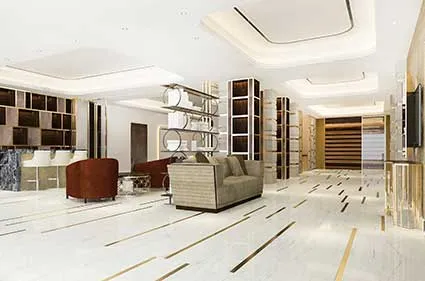
A handful of things are pushing this along.Homeowners want materials that don't ask much of them, plain and simple,nobody's got patience left for annual varnishing. There's also a broader pull toward sustainable building materials right now,and WPC,built using recycled plastic and wood waste,slots into that conversation pretty naturally.
Cost matters too.Premium solid wood isn't cheap to begin with,and with supply tightening in a lot of regions,WPC gives people a way to land a similar look without the same price tag or the same never-ending upkeep.Add the fact that WPC boards come out consistent,no knots,no warping, no grain doing its own unpredictable thing,and it's not hard to see why architects keep specifying it.

Top 10 WPC Benefits for Modern Interiors
Moisture resistance tends to top most people's list, and for good reason,WPC doesn't swell or warp when humidity climbs,which makes it a natural pick for bathrooms, kitchens, and homes near the coast. Right alongside that sits its resistance to termites and other pests, since it isn't pure organic wood, borers just don't bother with it the way they do solid timber.
Then there's the maintenance side of things. No sanding, no repainting every couple of years, a damp cloth wipe-down covers most of what's needed. Durability follows close behind, WPC holds up under daily wear longer than most people expect going in, especially in busy, high-traffic spots. Design flexibility is another one worth mentioning, it comes in wood grain finishes, solid colours, all sorts of textures, so it bends to whatever interior style you're working with.
Weight is a smaller but real advantage too,WPC is lighter than solid wood, easier to handle on install day, and it puts less strain on hinges and fittings down the line. Sustainability comes up a lot as well, since a good chunk of WPC production leans on recycled plastic and wood waste rather than fresh timber. Cost-effectiveness plays out over the long run rather than upfront,lower maintenance and a longer lifespan usually make up for whatever the initial price gap was.
Quality consistency is easy to overlook but genuinely matters, no knots, no natural flaws,every board comes out looking the same as the last.And rounding things out, fire and rot resistance,a lot of WPC formulations handle both noticeably better than plain wood does.
WPC vs Traditional Materials
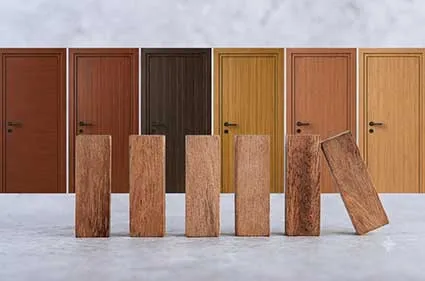
Solid wood still wins on pure authenticity, nobody's disputing that a slab of real walnut carries a character composites can't fully fake. But factor in maintenance, long-term cost, and how it holds up in humid or heavily used spaces, and WPC tends to pull ahead for most practical, everyday applications.
Plywood and MDF come up a lot too in these comparisons. Both cost less upfront, but neither handles moisture the way WPC does, and both are more likely to swell or delaminate as time goes on. WPC ends up somewhere in the middle, more durable than plywood or MDF, more affordable and lower-maintenance than solid wood.
Applications of Demac Multiboard WPC Boards
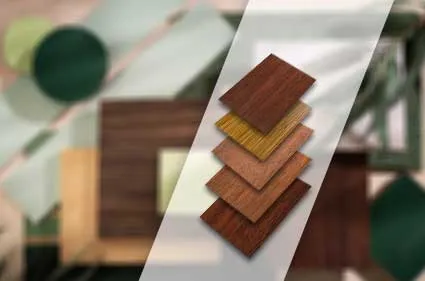
Demac Multiboard's boards get used across a broad spread of interior work, doors most commonly, but also wall panels, ceiling panels, wardrobe shutters, and modular kitchen cabinetry. Builders reach for them for skirting and moulding work too, spots where consistency and moisture resistance matter more than people usually assume going in.
Demac builds its boards for how they'll actually be used, day in and day out, not just how they look fresh out of the box. The material handles moisture, resists pests, and holds its finish for years, which is really the entire point of choosing WPC in the first place. A wide finish catalogue and consistent manufacturing quality give builders and homeowners a dependable option, without the guesswork that sometimes comes with less established suppliers.
WPC doesn't demand much, but a few habits stretch its life even further. Stick to a damp cloth rather than anything abrasive, scrubbing pads can dull the finish faster than you'd think. Keep darker finishes out of prolonged direct sunlight where possible, since extreme heat exposure can occasionally affect surface sheen over time. Keep sharp edges and objects away from the panel corners, and if a scratch does happen, most finishes can be touched up locally rather than needing the whole board replaced.
They're made from wood fibres combined with thermoplastic polymers, engineered to bring together the look of wood and the durability of plastic in one material.
Not fully waterproof in every single case, more accurately described as highly water-resistant, but they handle regular exposure in bathrooms and kitchens without any real issue.
For most interior uses, yes, it generally beats plywood on both moisture resistance and durability, though cost and the specific application still factor in.
It's actually one of the better options for exactly these spaces. Moisture resistance is where WPC really shines, so kitchens and bathrooms play right into its strengths.
With decent care, well over a decade in most cases, sometimes considerably longer depending on usage and the finish quality involved.
Because the material's built to hold up, not just look good the day it's installed. Demac's boards go through consistent quality checks, span a wide finish range, and come from a manufacturer that actually understands what interiors need to survive years of daily use.
WPC brings a fair amount to the table for modern interiors, moisture resistance, pest resistance, low maintenance, durability, and design flexibility that traditional wood just can't quite keep up with. Factor in the sustainability angle and the savings that build up over time, and it's easy to understand why so many homeowners and builders are making the switch.
If a renovation or new build is on the table and you want something that holds up without constant babysitting, WPC is worth genuinely considering. Demac Multiboard offers a reliable, durable, and sustainable range of WPC solutions built for exactly this kind of everyday use, worth a look before settling on anything else.

© 2023 Demac Multiboard | Powered by Shaadow