


A well-planned kitchen is not just about how it looks.It should make everyday cooking,cleaning and storage easier. This is where a Modular Kitchen Cupboard can make a noticeable difference.With individual cabinet modules designed around available space and storage requirements,modular cupboards help create kitchens that feel organised without compromising on style.
Material selection is equally important,particularly in a space that regularly encounters moisture,spills and frequent use.DEMAC Multiboard offers WPC board solutions that can be considered for kitchen cabinetry and modular interior applications.
From cupboard types and popular designs to materials and clever storage ideas,this guide covers the essentials to consider when planning a modern modular kitchen.
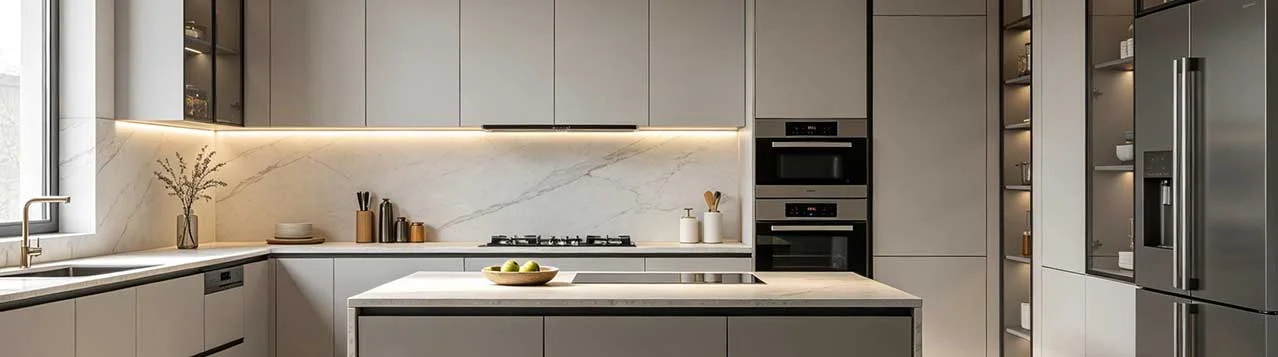
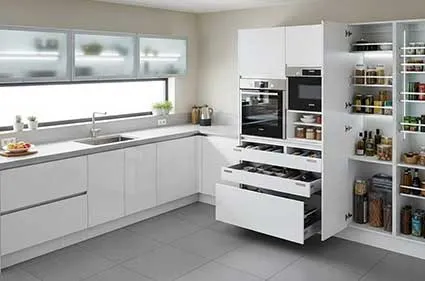
What Is a Modular Kitchen Cupboard?
A modular kitchen cupboard is a cabinet system made using individual, pre-planned modules that can be arranged according to the kitchen layout. These modules can include base cabinets, wall cabinets, tall storage units, drawers, shelves and corner units.
Unlike traditional kitchen cupboards that are often built entirely on-site, modular systems are planned as separate functional units. This makes it easier to customize the arrangement based on available space, appliances and storage requirements.
The main components generally include the cabinet carcass or internal structure, shutters, shelves, drawers, hardware and accessories. The exact configuration depends on the kitchen design.
For modern homes, modular cupboards offer the flexibility to make better use of available space while maintaining a coordinated overall appearance.
Why Choose Modular Kitchen Cupboards for Your Home?
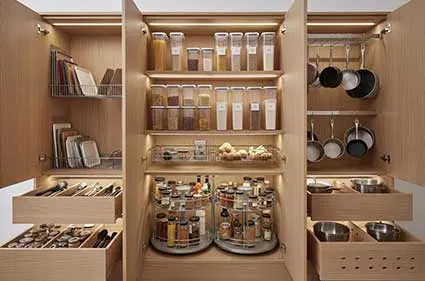
One of the biggest advantages of modular cupboards is organised storage. Instead of creating large cabinet spaces without a defined purpose, individual sections can be planned for specific kitchen essentials.
Separate spaces can be created for cookware, groceries, cutlery, bottles, appliances and cleaning supplies. This can make frequently used items easier to access and reduce unnecessary clutter on countertops.
Modular designs are also adaptable to different kitchen layouts. Whether you have a compact apartment kitchen or a larger cooking space, cabinet configurations can be selected according to the available dimensions.
Another benefit is design flexibility. Colours, finishes, cabinet styles and storage accessories can be coordinated to create a kitchen that suits the rest of the home's interior.
Types of Modular Kitchen Cupboards
Different cupboard types serve different purposes within a modular kitchen.
Base cupboards are installed below the countertop and commonly store pots, pans, utensils and other frequently used items. They can include drawers, shelves or pull-out storage systems.
Wall cupboards utilise the vertical area above the countertop. They work well for storing dishes, glasses, containers and ingredients that need to remain within easy reach.
Tall units extend vertically and can provide additional pantry or appliance storage. They are particularly useful when floor space is limited but vertical space is available.
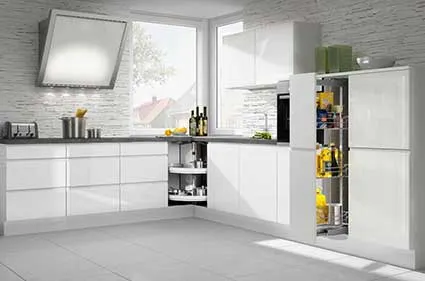
Corner cupboards help make use of areas that can otherwise become difficult to access. Suitable corner accessories can improve the usability of these spaces.
A practical Modular Kitchen Cupboard layout usually combines several of these cabinet types according to the kitchen's dimensions and the homeowner's routine.
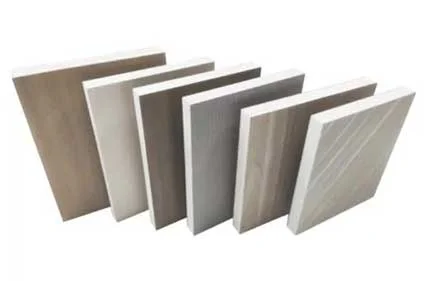
Best Materials for Modular Kitchen Cupboards
Material choice influences the durability, maintenance requirements and appearance of kitchen cabinetry.
Plywood is commonly used for kitchen cabinet structures and is available in different grades. The properties can vary considerably depending on the type and quality selected.
MDF and HDF are engineered wood products valued for their smooth surfaces and suitability for various decorative finishes. Their appropriateness for particular kitchen areas depends on the product grade and expected exposure conditions.
Particle board is another engineered option generally used where affordability is a major consideration. Its performance also depends on its grade and application.
WPC or Wood Plastic Composite, is increasingly considered for kitchen and interior cabinetry. Its material characteristics make it particularly relevant for areas where resistance to moisture and termites is an important consideration.
When comparing materials, look beyond appearance and initial price. Consider expected exposure to moisture, cleaning requirements, hardware compatibility and long-term usage.
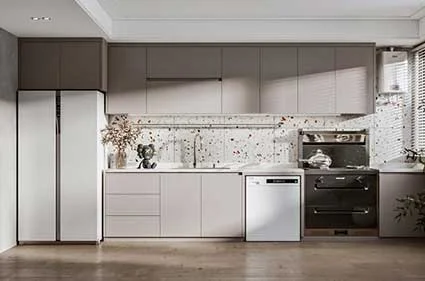
Why WPC Is a Smart Material for Modular Kitchen Cupboards
The kitchen is an area where cabinet materials may regularly encounter water, humidity, spills and cleaning. For this reason, moisture behaviour is an important consideration when selecting the cupboard material.
WPC boards combine wood-based and polymer components to create boards suitable for a range of interior applications. Depending on the product specifications, WPC can provide resistance to moisture and termite-related damage, making it an option worth considering for kitchen cabinetry.
Maintenance is another practical consideration. Kitchen cupboards require regular cleaning because of food preparation, oil and everyday spills. Selecting a suitable board material can make routine upkeep easier.
WPC can also be fabricated for different cabinet requirements and paired with suitable finishes and hardware to create contemporary modular kitchen designs.
As performance specifications can vary between products, homeowners and designers should select the appropriate WPC board based on the intended application and manufacturer's recommendations.
Popular Modular Kitchen Cupboard Designs
Cupboard design should work with the overall kitchen layout rather than being treated as a separate decorative element.
Handleless cupboards are popular in contemporary kitchens because they create clean, uninterrupted cabinet lines.
Shaker-style cupboards use framed shutters to introduce a more defined appearance and can suit both modern and transitional interiors.
Two-tone cupboards combine two complementary finishes or shades, often using different treatments for base and overhead units.
Floor-to-ceiling cabinetry maximises vertical storage and can be particularly useful when a kitchen has limited floor area.
Open-and-closed combinations bring together concealed cupboards and selected open shelves. This can make everyday items easier to reach while maintaining sufficient closed storage.
The ideal design depends on available space, interior style and how the kitchen is used every day.
Smart Storage Ideas for Modular Kitchen Cupboard
Good storage is not simply about adding more cupboards. It is about making the available cupboard space easier to use.
Deep drawers can provide convenient storage for pots and larger cookware. Drawer dividers can keep cutlery and smaller utensils organised rather than allowing them to become mixed together.
Pull-out bottle units can use narrow spaces efficiently, while dedicated pantry pull-outs make packaged foods and ingredients easier to view.
Corner storage accessories can improve access to otherwise awkward areas. Vertical dividers can be used for trays, chopping boards and baking sheets.
Another useful approach is to group items according to activity. Keeping cooking utensils near the hob, dishes near the serving area and cleaning products close to the sink can reduce unnecessary movement around the kitchen.
A thoughtfully planned Modular Kitchen Cupboard should therefore consider what will be stored inside before the internal configuration is finalised.
How to Choose the Right Modular Kitchen Cupboard
Start by looking at your kitchen rather than at cupboard designs in isolation.
Measure the available floor and wall space carefully. Note the positions of windows, doors, plumbing points, electrical outlets and major appliances before finalising the cabinet layout.
Next, think about your actual storage requirements. A household that cooks frequently may need considerably more cookware and ingredient storage than one that uses the kitchen occasionally.
Material selection should reflect the conditions inside the kitchen. Consider moisture exposure, maintenance, durability and compatibility with the intended hardware and finishes.
Accessibility also matters. Frequently used items should be easy to reach, while less frequently used appliances or cookware can occupy higher or deeper storage areas.
Finally, balance design preferences with functionality. A visually appealing kitchen is much more enjoyable when the cupboard layout also supports everyday cooking.
Why Choose DEMAC Multiboard for Modular Kitchen Cupboards?
DEMAC Multiboard provides WPC board solutions for furniture and interior applications, including modular kitchen cabinetry.
For a Modular Kitchen Cupboard, the board used for the cabinet structure needs to suit the demands of the application. WPC offers characteristics relevant to kitchen environments, particularly where moisture and termite resistance are important considerations.
DEMAC Multiboard solutions can be considered for creating cabinet structures, shutters and other suitable modular kitchen components according to the particular product specifications and design requirements.
For homeowners, designers and fabricators planning a modular kitchen, choosing an appropriate board provides the foundation on which finishes, hardware and storage accessories can be added to complete the cabinetry.
WPC can be used for modular kitchen cabinetry. Its suitability for a particular component should be assessed based on the board specifications, installation requirements and intended application.
A modular kitchen can combine base cabinets, overhead cupboards, drawers, tall units, corner storage and pantry units. The ideal combination depends on the kitchen layout and individual storage requirements.
Make better use of vertical space with wall cupboards and tall units. Drawers, internal organisers, corner accessories and narrow pull-outs can also help use available cabinet space more efficiently.
Consider moisture exposure, durability, maintenance, hardware compatibility, intended finishes, budget and the manufacturer's specifications for the material.
Start by grouping items according to how often and where they are used. Plan dedicated spaces for cookware, cutlery, groceries, appliances and cleaning products instead of creating only general-purpose shelves.
A well-designed Modular Kitchen Cupboard brings together the right material, cabinet layout, storage configuration and visual style. Rather than simply adding as many cupboards as possible, good kitchen planning focuses on making each section practical for everyday use.
Material selection plays an equally important role. WPC is one option for modern kitchen cabinetry, particularly for homeowners considering board solutions with characteristics suited to moisture-prone interior environments.
DEMAC Multiboard offers WPC board solutions that can be incorporated into suitable modular kitchen applications, giving designers, fabricators and homeowners another material option when planning contemporary cabinetry.
Explore DEMAC Multiboard solutions for durable and stylish modular kitchen cupboards.

© 2023 Demac Multiboard | Powered by Shaadow